|
Today's newsletter is part two of four in a series by Jasmine Michel exploring the voyages and history of bananas in the Caribbean and West Indian trade route (you can catch up on Part 1 here). Michel is a farm-to-table chef and writer who dedicates her work to the marginalized. An alumni of The French Culinary Institute and the Eco Practicum School of Ecological Justice, Jasmine's newest project, Dreamboat Cafe, is a small food platform of pop-up dinners and underground food journalism rooted in the effects of societal stigma and standards on minority mental health and liberation.
LAST WEEK WE TOUCHED ON...
the history of bananas in the Caribbean and West Indies trade route. Today we’re diving deeper into why tropical fruits became the building blocks of the American diet.
These fruits aren’t the only thing that Supermarkets surged through in the 1950’s and 60s when society first experienced the tug of capitalist consumerism. To ease some of the transition soldiers underwent returning home from war, grocery stores began carrying items specific to the countries men were stationed at.
Overnight the "ethnic aisle" was born with foods from places like Japan and Germany. During this time, brown and Black cultures fell deeper in relation to ‘otherness’.
Industrialized agriculture aided in mass producing the cheaper fruits and vegetables we see in markets today, including bananas. Despite once being considered an island delicacy and their harvest being so detailed, processing bananas does not lack power.
Bananas need to be cut down by hand, washed, packed green, and stored in a cold environment during their shipment to avoid ripening too quickly. The International Institute for Sustainable Development mentioned in their coverage on the fruit that, “Bananas are the world’s most important fruit by export value, with 22.7 million tons (excluding plantains) trading for USD 11 billion in 2017." Asia is the largest producing region, but 80% of exported bananas come from Latin America and the Caribbean.
Both bananas and the "ethnic aisle" have undergone the same process in prioritizing white standards and consumption. We barely noticed when Italian ingredients moved to an aisle of their own, leaving mostly brands of color isolated from customers. Indian sauces, Japanese ingredients and Hispanic foods remain bundled in the aisle of otherness according to colonial standards.
Brands like Omsom, a sister-run Asian food brand reclaiming Asian flavors and stories, are refashioning the narrative surrounding foods of BIPOC folks into something truer and more inclusive than how we came into it. Co-founder Kim Pham can be seen posting educational Instagram reels explaining the impacts of colonized grocery stores aisles and narratives of being first generation American.
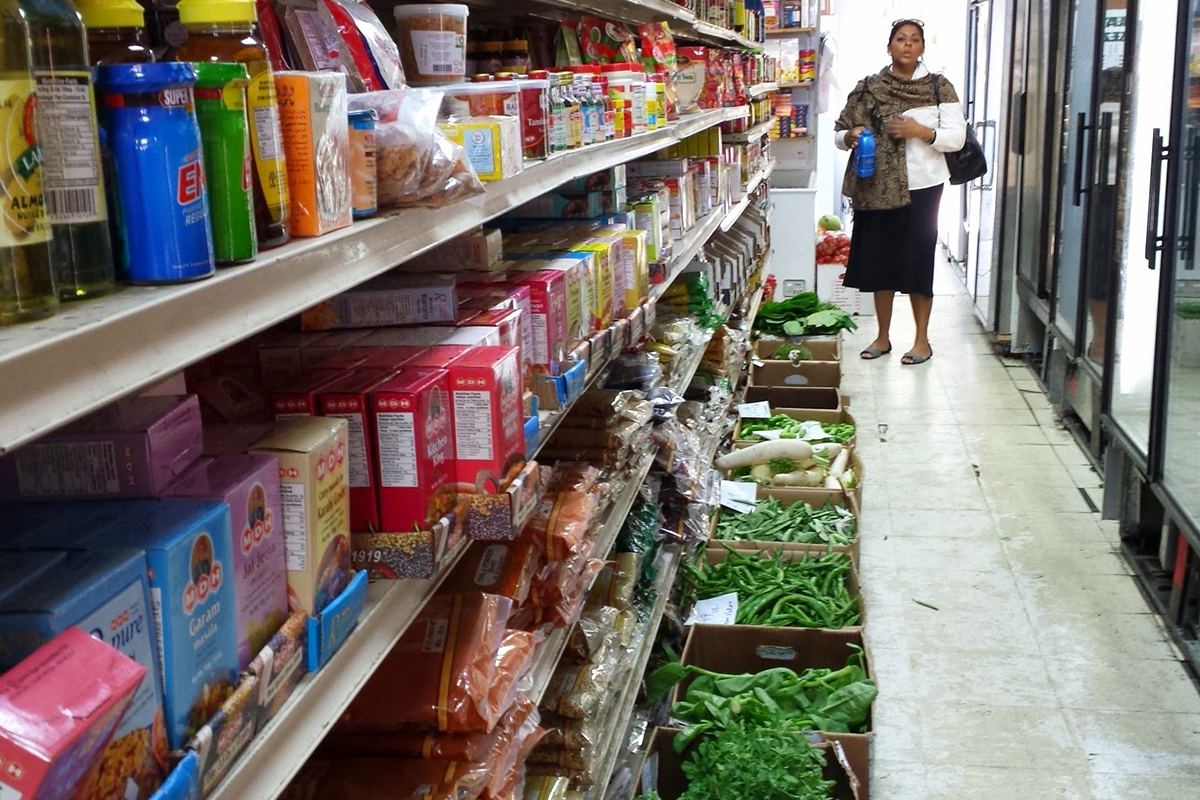
The power of "ethnic stores" is a result of the "ethnic aisle" lacking safety and inclusion. There is a bitterness that accompanies the search for a particular ingredient you know can only be found in the limited selections of an ethnic aisle of a grocery store. That is why it shadows a pilgrimage to be amongst an entire store dedicated to the cultural identity of a people, operated by people of that culture.
The bodega, the Caribbean market, the Indian store, even the country stores of New England. When more people of color in particular are given opportunities to make executive decisions on a standard to live by, multiple truths are seen to live. We acknowledge the pain rooted in some of our most necessary ingredients. We see value in preserving the memoir of our crops.
Decolonizing the American diet and grocer means to actively address a history of renowned fruits and slavery as a business.
Stay tuned for part three of this four-part series, out next Tuesday.
. . .
For more from Michel in the meantime, check out these past instagram posts: Decolonize the Food Industry, Sustaining vs. Highlighting, Stopping our racist patterns..., and Understanding Colonization in the Food Economy.
We are thrilled and grateful to be in collaboration with Jasmine through the Share Your Voice initiative, an ongoing effort inspired by the #sharethemicnow movement.
In food, justice, and food justice,
Tay + Dor
photo by Jasmine Michel
|