|
LATELY, I'VE HAD A DISTINCT FEELING . . .
of disconnection. I can't tell how much of it is an accurate assessment of the state of our relationships, and how much of it is my frustrated suspicion of the screens that compete for our attention.
Recently I was putting together a book fair in my community, working with a small team to plan and coordinate details, running the volunteer signup sheet, and counting down the hours of mental energy that would transform into hours of physical energy.
In a mostly solitary stretch of anticipation, I noticed how my uncertainty - over things like who I would see at the event, and how it would go - was like an open window, allowing anxiety to creep in. As I waited for the date to approach, the uncertainty nagged at me. Questions without answers came to mind like signals I was sending out, each one meeting a quiet that could be interpreted as peace, or as disaster.
I was feeling the way an inchworm looks when it's delicately probing the air for purchase on a tree branch. The inchworm isn't asking for a lot, I think. Light as a feather, it could just about make its way in the world on a spider's silk, as on the hood of my car, or the sleeve of my jacket. The uncertainty of what's next gives me a tender feeling toward that inchworm. Could it give me a tender feeling towards myself?
Once I arrived at the book fair, offering help, smiling and being smiled at, seeing the ways that people work together and contribute to a collective energy, the window closed. I was present again. And at the end of each day, I was so tired that the window stayed closed, and my need for rest didn't find its outlet in picking up a screen, but in tucking myself in, feeling the fullness of interconnectivity that I'd been seeking.
Anticipation is a strange cousin to connection. It can make the thing you're working toward, planning on, or headed for, seem too huge and cumbersome, burdened with potholes and landmines, to be seen for its true value and impact. Yet an experience of connection can be so small, and still do its job of sparking satisfaction, contentment, love, joy, inspiration.
Over the weekend, I was inching my way through the Norton Anthology of Native Nations Poetry, When the Light of the World was Subdued, Our Songs Came Through, and I read Louise Erdrich's poem, "Advice to Myself." Please click through to the Library of Congress PDF linked here to read it (and save it, and read it again), but for my purposes, I'll share the ending line:
Recycle the mail, don't read it, don't read anything
except what destroys
the insulation between yourself and your experience
or what pulls down or what strikes at or what shatters
this ruse you call necessity.
That word she ends on - 'necessity' - is bearing some resemblance to connection in my mind, as we enter a new week, anticipate the holiday season, pin ourselves to another dot on the circle of light and darkness. Connection is that truest of necessities. Like gratitude and service (thanks and giving), it makes an impact with the smallest of sparks. But all around those sparks are the distractions and confusions of fear and anxiety, things billed as 'necessity' according to someone else's agenda.
John O'Donohue's Anam Cara, a book that seems so filled with truths that it has to be read, like poetry, in small doses, offers a proof that our access to connection exists all around us, all the time, even when we are clouded by other thoughts. He writes: "We cannot seal off the eternal. Unexpectedly and disturbingly, it gazes in at us through the sudden apertures in our patterned lives."
An inchworm has to dance on the air in order to find the next step it would take. Each step of its process is temporary, like anticipation, and like anticipation, it offers a choice. Fear and anxiety can remind us to infuse the present moment with connectivity. They can remind us that feelings of discomfort are that inchworm in our heart seeking the air in order to find balance in its opposite, a chance to be grounded in togetherness.
In Connection,
Dor + Tay
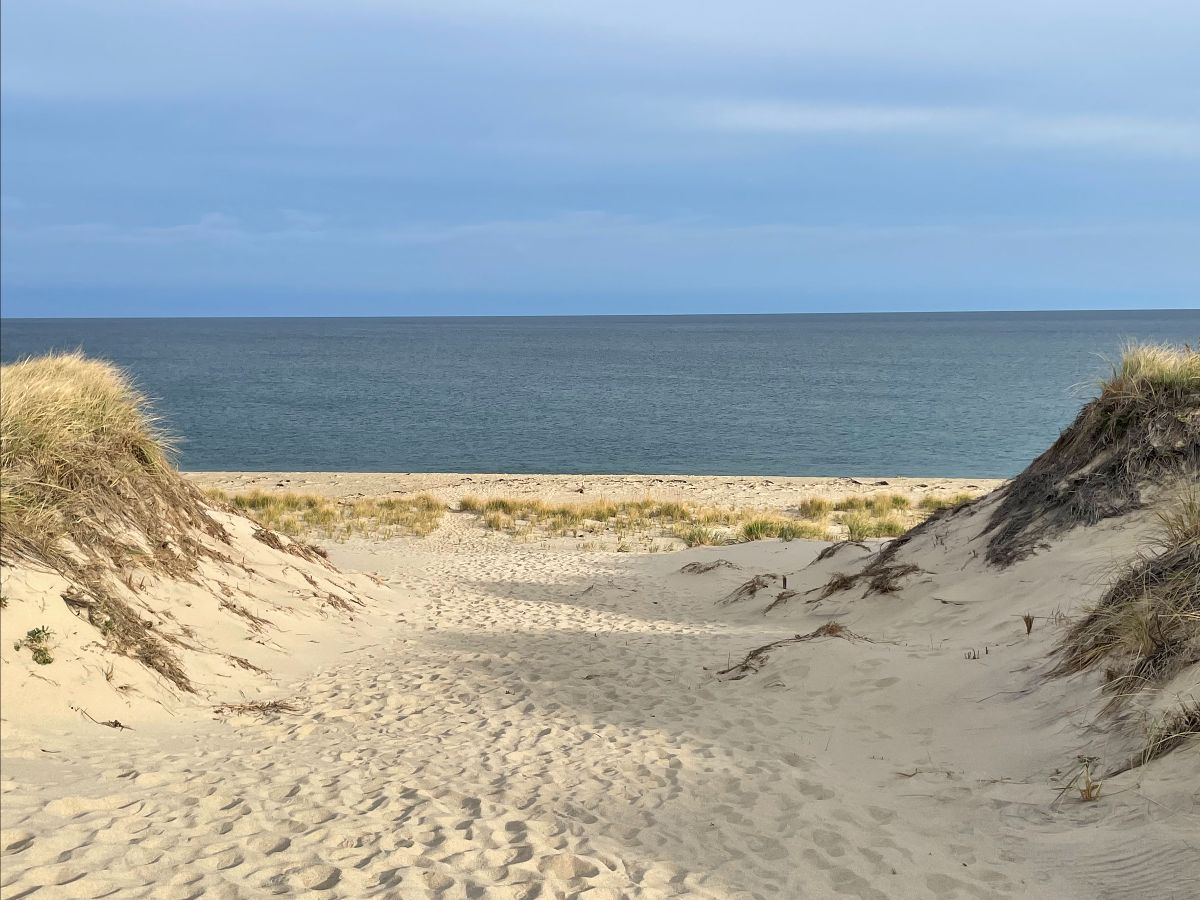
photo by Sarah Jane Suarez
|