I TEND TO AVOID . . .
things that scare me. Frightening or 'thrilling' experiences leave me more depleted than energized - horror films, roller coasters, rubber snakes and haunted houses. On the other hand, I love the 'difficult' feelings - the kind brought on by tough memoirs, sad movies, and confessional poetry.
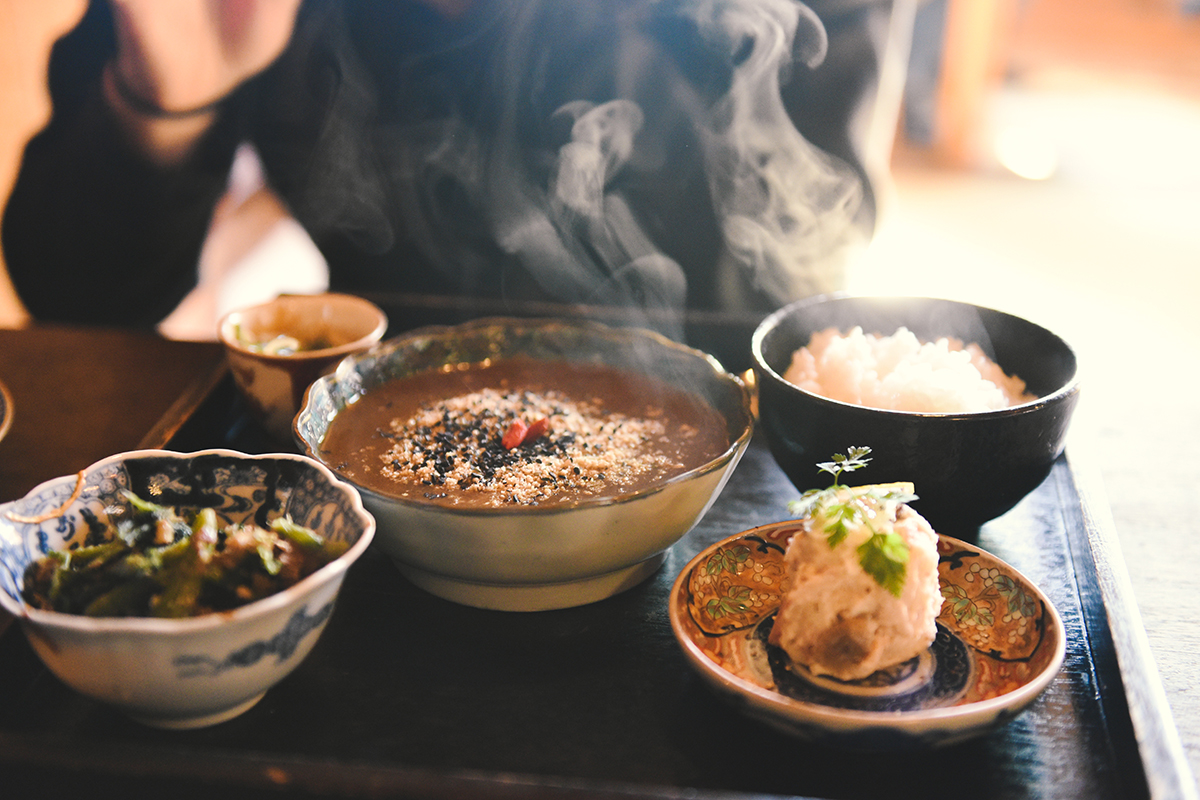
When I walk in my suburban neighborhood in New York state, noticing the seasonal decorations for Halloween, I contemplate the difference between these two things. Why does the gruesome approach to confronting death leave me cold, but the liminal experiences of light and dark, the thin veil between life and death, feel like leaning my face over a steaming cup of soup?
As I age into the second half of my life, I notice that celebrations and rituals around Dia De Los Muertos and Samhain are more appealing to me than the Halloween I experienced growing up in the United States - one that always left me self-conscious in a costume, left out of trick-or-treating on my farm at the end of a country road, and avoidant of gathering in front of the VCR with peers for scary movie nights. I find the seasonal recognition of light and dark, and its overlap with the spiritual contemplation of life and death, more resonant.
While I no longer pressure myself to like things I don't like (see that first list above), as I did in the previous half of life, I do try to challenge myself to do things that make me scared in an uncomfortable way - like saying hello to everyone I pass on my morning walk, or telling the truth, both in person and in writing. This brings me to something a thoughtful newsletter reader shared with us last week, a quote from Rosemerry Trommer: "I don't need to write something good every day, I just need to write something true."
The spirit of this sentence had me thinking about communing with our ancestors on the other side of the veil. Trommer's words made me recall how the love of our most sacred connections is not transmitted by criticism or judgment, but by a full embrace of our full humanity. Although beauty in all forms can put us in touch with spirituality, it is not demanded of us to produce that beauty all the time, in all our doings and communications (especially not when the standard or ideal of beauty is set by oppressive forces).
When Tamar Adler, in her role as The Kitchen Shrink, addressed the fear of failure in a beautifully coincidental way, the pieces fell into place: we are more likely to try, to do big things and small, when we accept that it won't always be 'perfect' - that in fact, perfection is a form of trying to outrun death. As Anne Lamott writes in Bird by Bird, "I think perfectionism is based on the obsessive belief that if you run carefully enough, hitting each stepping-stone just right, you won’t have to die."
The process or the habit of trying to outrun death is itself disrespectful of the real presence and importance of death in our lives. And while I can respect everyone's method of communing with death, including candy binges and plastic body parts hanging from well-groomed shrubbery, I do wonder whether the embrace of shock value is a form of escape from the more everyday, ho-hum confrontations with what really scares us.
So as you navigate a seasonal shift, and experiment with cravings that may have returned after a dormant period, confronting all those mysterious transformations that cooking and eating bring, consider the monster within yourself (a prospect that always makes me think of
this brilliant essay by Bayo Akomolafe), and do something that scares you (by your own definition).
Blessings,
Dor + Tay
photo by Alexa Romano
|