 |
| ISSUE NO. 727 |
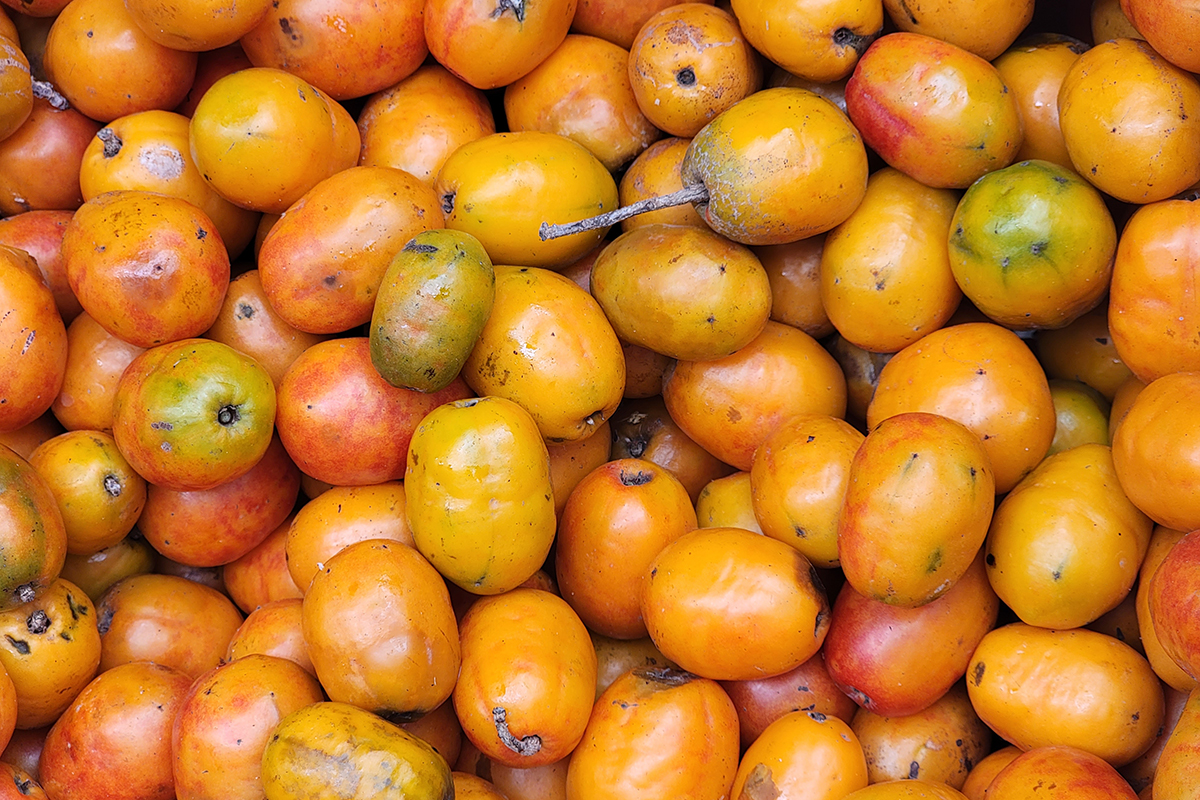
| "SAMENESS IS NOT RELATIONAL" . . . I heard this phrase two years ago, in a course taught by Toi Smith and Renee Barreto, and it's been repeating in my head this week. For the last five years or so, I've been on a personal journey around belonging (I suspect we all are, to some extent, and that the journey lasts a lifetime). In childhood, I wanted to be the 'same' as 'everyone else' because that's what the peers and adults in my life seemed to expect. Sameness, at that time, was the only definition of belonging I could get my hands around - and it was still out of reach to me. In adulthood, I came to understand human relationships slowly, through practice. One lesson I absorbed quickly, after graduating high school, is that a good relationship is based on the particular person I'm relating to, not whether we 'belong' together in a traditional sense - nuclear family, religious ties, geographical ties, etc. Sameness still attracted me to certain people - there is a beautiful sense of kinship that one feels when you encounter someone to whom you want to say, 'Same! Me too! Let's be friends!' - but I saw the other side of the sameness I had yearned for as a younger person. I saw that although sameness could feel good in certain contexts, when it went unexamined as a prerequisite for belonging, sameness could be weaponized. It's true that we are all the same, as humans. It is also true that we are all very different. How do you reconcile those two truths, when it is part of our human capacity, across time and space, to dehumanize one another based on our differences? My thinking on that question has brought me back to this: "sameness is not relational." What does that mean? It means that sameness, with its good qualities, may be at the root of our human to human connections. But it in order to take ourselves beyond that, into our relationships on large and small scales, we need to understand how and why we are relating to one another (or not). I have a deep belief that it's vital for us to question and challenge ourselves, that it's necessary for us to reflect and wonder about where we came from, why we are the way we are, and which systems most impacted and influenced our fears, definitions of success, and yearnings for completeness. It's been my experience that finding your pathway and your impact in the world requires understanding when and why you feel you have to do things a certain way, or that you are less than because you crave a different way of being. Good Food Jobs became a reality because we knew there were people out there who felt the same as us, who were looking for similar experiences. But in order to establish this space for relating to one another, out of one path of similar thinking, we had to be willing to do something quite different. We had to withstand a lot of questions and doubts about whether that sameness existed in the first place, and why we thought relating to one another across those barriers mattered. We had to take our sameness...and make it relational. As we move onward together each day, each week, we remain committed to questioning our sameness even as we feel it resonate between us. Yes, we are the same, and yes, we are all different. We have different things to offer: different backgrounds, skills, perspectives, and different ways of being in the world. Because we are different, we are going to work differently to advance social justice. How can your understanding of 'sameness is not relational' help you determine your place in that work? How can you continue to evolve your understanding of sameness, and avoid resting complacently within it? Our goal is as it has always been: to show you that there is room for you here, even if your pathway is being carved from the elusive material of your dreams and imagination. We strive for oneness, not sameness - an understanding that we are all deeply connected despite our differences. Together, Dor + Tay photo by Estefania Trujillo Preciado |
tidbits...resources on anti-racism, environmentalism and food culture AKA stuff we're reading / listening to / watching / noticing / thinking about / captivated by this Tuesday . . . Do One Small Thing . . . As part of this Friday's economic blackout, take out money from the bank and pay for any local purchases with cash. Not only will it stop the flow of money through credit card companies, but it will also reconnect you with the value of your purchases when you physically hand over the funds. Share with us how you participated. "I believe in books." - a necessary poem from Haki R. Madhubuti |
 |