issue no. 799
WORK DOES NOT MEAN ONE THING . . .
Although in our capitalist economy, ‘work’ tends to be shorthand for efforts we exchange for money. In reality, work has a much broader scope.
In fact, the most powerful impact we have in this world can - and in many cases does - happen outside of the confines of paid work. Humans, after all, have an inherent desire to contribute, to connect, and to make meaning in ways that confirm that our existence on this Earth matters. That we are a part of something true and real. That we help uphold the web of support that embraces us all.
Anyone who has been or has known a parent, a mentor, a guide, or a caretaker knows that care ‘work’ quite literally holds up the world - whether our culture adequately values it with money or not. As Rosalynn Carter once said, “there are only four kinds of people in the world: those who have been caregivers, those who are currently caregivers, those who will be caregivers and those who will need caregivers.”
Because paid work is necessary, and places so many of us in survival mode, that means we are often exhausted and distracted by the cycle we are in. In response, we reorient ourselves - again and again. It’s true that we currently must have money to live, and it’s also true that how we spend our time and energy matters- in the present and for the future.
This week, the important breaking of news around ‘The Cornell 7’ (content warning: the details of the events include sexual assault) hits close to home. As you may know, Dorothy and I met as tour guides at Cornell University back in the Spring of 2004. We worked with enthusiasm to reflect all the good that exists in a campus community . . . the tools and resources that can make the world a more dynamic, supportive, and creative place.
As we follow the unfolding of events that happened a full two years ago, on October 19, 2024, we feel the sting and the ache that bring up questions like: where do we go from here?
To know that these events occurred years after the Me Too movement . . . years after the Jane Doe impact statement given in the trial for the Stanford rape case . . . after Chanel Miller transmuted her pain and suffering into artwork - in both written and visual forms - to illuminate a path forward.
It makes us think about the necessary work of reorienting to consider: how does safety impact the work that students do in academic institutions? And what are we perpetuating in our culture that avoids responsibility - treating humans as disposable - instead of facing our responsibility to one another?
‘The work’ we do to untangle us all from this mess starts with each and every one of us. It is not about a single leader - or even a set of leaders - to look to, but as adrienne maree brown so eloquently articulated recently, for us to all show leadership. For us to explore and experiment in how our particular brand of leadership can manifest in big and small ways, each and every day.
The details of ‘The Cornell 7’ will be overwhelming for many of us. It took me a few days to process and open up about the impact, to figure out a way to discuss it - out loud - in my circles of friends, with my children, with my significant other, and with you.
Strengthening this muscle is a practice. When the paralysis sets in, I know that the antidote is wading in, opening up, and reinforcing what we know to be true: we are all connected and what harms one of us harms all of us. That when we feel isolated, unsupported, and alone we perpetrate and / or allow harm to perpetuate - out of fear, out of overwhelm, and out of exhaustion.
So what disrupts the cycle? How do we transmute the relentless suffering of the world? How do we acknowledge these ills without falling into paralysis or inaction?
First we name the harm. Whether that is the ongoing (over 1,000 days) of active and highly visible genocide in Palestine (knowing that for every visible instance of harm, there are countless others happening out of view, and in silence) . . . or the structures that systematically protect and provide profit to perpetrators of harm over those that suffer from it (whether that is denying people healthcare, or silencing victims of assault, or punishing people personally or professionally for speaking up against genocide).
And then we reorient. We transmute the pain into progress, with the help of forces much bigger than any one of us. We know that our work is not confined to a single lifetime - that our efforts span across generations . . . it’s the swell of possibility that allows us to take the next right step, rooted and grounded, facing our north star. The one that knows that the world does not have to be like this. We can all collectively prosper with creativity, imagination, and collective care.
How we spend our time and energy matters. While energy can neither be created nor destroyed, it is important to understand what fuels each and every one of us - because that fuel, and the fire it creates - will be different for everyone.
Fire can be used as a tool for good, but left unchecked it can be a destructive force. In reorienting ourselves, we remember that understanding what fuels our work in this world - both paid and unpaid - helps us create the conditions for a productive fire - the kind that replenishes, soothes, and supports.
Let’s get to work,
Tay + Dor
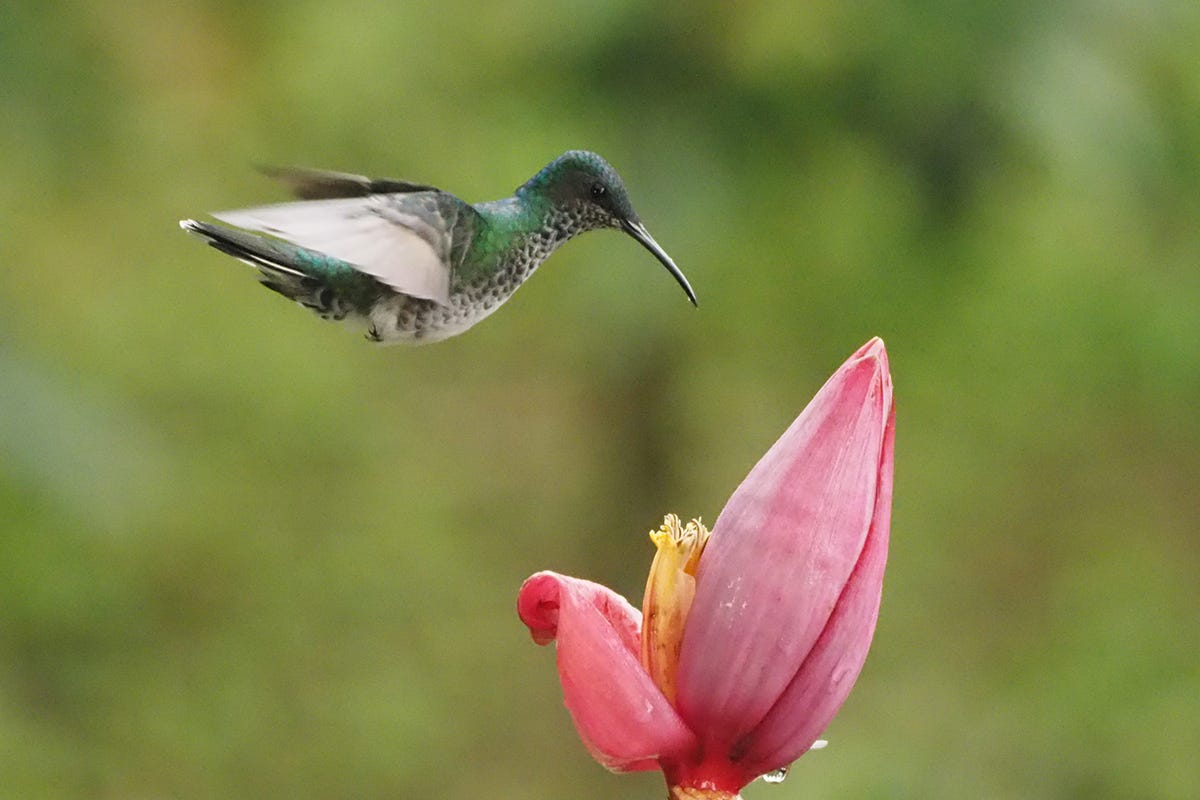
photo by Estefania Trujillo Preciado
Good Food is much more than jobs…community and inspiration, reassurance and education. - Christine, Newsletter Reader
tidbits...
resources on anti-racism, environmentalism and food culture AKA stuff we’re reading / listening to / watching / noticing / thinking about / captivated by this Tuesday . . .
Do One Small Thing . . . when you feel powerless, what small actions help ground you and move you forward? We’d love to hear from you - reply to this newsletter, share in the comments, or email us at info@goodfoodjobs.com.
Perdita Finn on embodied wisdom on this dawn of artificial intelligence, with similar themes about how to wind our way through this world in her conversation with Megan Leatherman on her podcast A Wild New Work.
Seth Godin asking the targeted question: What Sort of Fuel? (hint, your best work will likely run on different fuel than others . . . it’s all about finding what work you are meant to be doing).
We stand by our recommendation that Chanel Miller’s book Know My Name is required reading for all early teens and parents. We can not think of a more important piece of art critical for our work as humans in these times.
Have you checked out our Friday audio addendum to our weekly newsletter? GOOD COMPANY illuminates some of the stories behind what we share here.
Happy Organics has shared the bounty of their Fall Harvest of corn and pumpkin beeswax candles, made in Los Angeles.
Have you picked up a copy of Dorothy’s first book of poetry? You can order Imagine a Woman from the publisher, from any local bookstore, ask for it at your local library, or on the Libby app.
View and share this free guide to How to Write a More Equitable Job Post, and stay tuned for new resources to deepen this work.
got a tidbit? drop it here for us and we’ll share it in next week’s newsletter.