IN TIMES OF CHAOS . . .
It can be easy to let your imagination run away with you. But when despair, fear, and anger are driving the boat, we have an opportunity to pay close attention to the messages they are sending, and be active and intentional with our imaginings.
Despair might ask us: how did the world get to this point? And the answer leads us to understand that we are living in the imaginations of those in power. As Ashley C. Ford writes,
"The goal of oppressors is to limit your imagination about what is possible without them, so you might never imagine more for yourself and the world you live in. Imagine something better. Get curious about what it actually takes to make it happen. Then fight for it every day."
Fear might tell us that we are experiencing a lack of agency. As bell hooks reminds us, by way of Tricia Hersey's wonderful book, Rest is Resistance,
"Imagination is one of the most powerful modes of resistance that oppressed and exploited folks can do and use."
We can use that fear as a reminder that we can do something, however small.
Anger is useful, too. It can tell us what we won't tolerate. It can be focused and applied to necessary change. When it comes to threats against our ability to be at home in our bodies - whether because of more mass shootings, the racism that led to the Tennessee Three uprising, or another attack on reproductive justice rights - anger can give us the fuel to reimagine.
Imagine what would happen if a large majority of our nation mobilized together?
What would happen if people organized to - even temporarily - withhold our time, energy, and money?
We wonder what would happen if a large majority of us opted out together?
We imagine what would happen if we recognized and exercised our collective power?
Imagination is both a form of work and a form of prayer. However limited you are by various factors - by what some of us can and cannot afford to do - imagination is free, and it can't be taken away from any one of us.
To imagining a more just future for all,
Tay + Dor
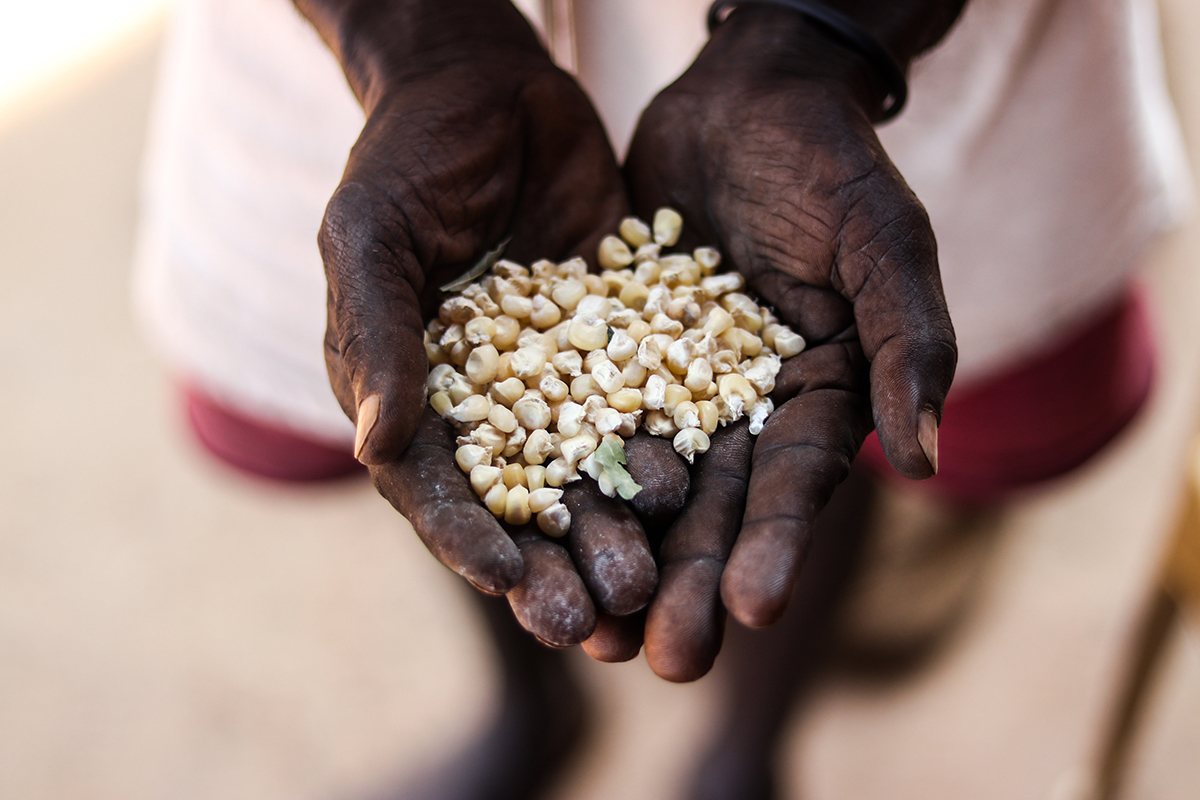
photo by Sanket Jain
|